Ad slot: top
Intro
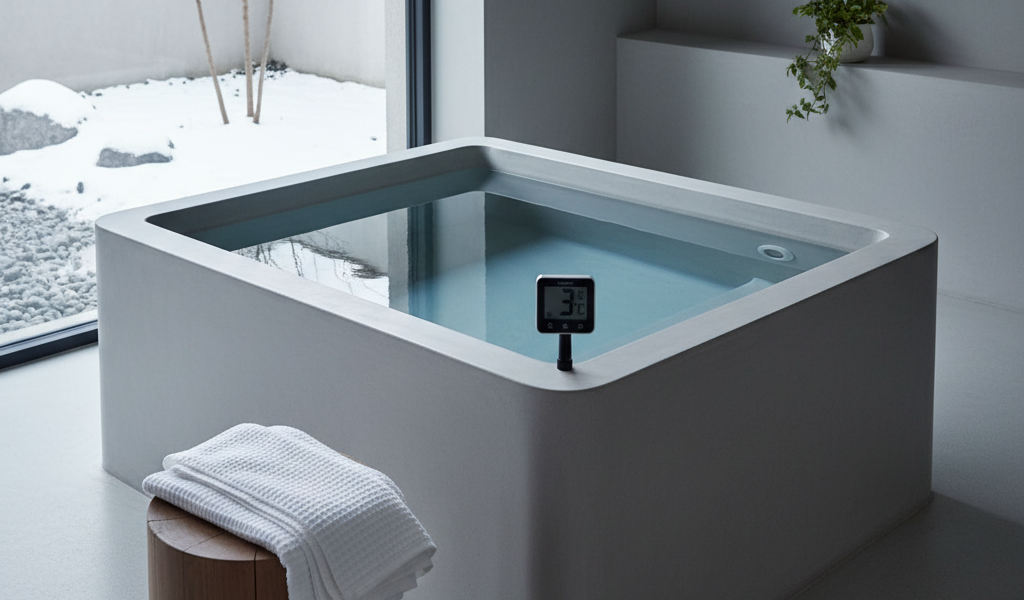
Cold plunging pairs short, controlled exposure to cold water with gentle warm‑ups to support alertness, recovery, and routine consistency. This guide covers benefits, temperature ranges, timing, setup options, safety, and simple ways to fit cold therapy into your week.
Benefits at a glance
Alertness
Brief cold exposure can deliver a clear, invigorating reset during morning or mid‑day routines.
Recovery
Post‑training contrast (warm/cold) may help manage soreness and promote a refreshed feeling.
Consistency
Short, repeatable sessions fit tight schedules and help anchor weekly wellness habits.
Stress modulation
Controlled exposure teaches calm breathing under discomfort, supporting day‑to‑day resilience.
Temperature and timing guidance
| Level | Temperature | Duration | Notes |
|---|---|---|---|
| Beginner | 54–60°F (12–16°C) | 1–2 minutes | Focus on slow breathing; exit before shivering escalates |
| Intermediate | 50–54°F (10–12°C) | 2–3 minutes | Use a timer; maintain relaxed shoulders and jaw |
| Advanced | 45–50°F (7–10°C) | 3–5 minutes | Only if experienced; prioritize safety and controlled recovery |
Simple session structure
- Warm‑up: 2–3 minutes of light movement and slow nasal breaths to prepare.
- Plunge: Enter calmly, maintain posture, and breathe slowly; keep sessions brief.
- Re‑warm: Towel off, dress warmly, and use gentle movement to restore comfort.
- Frequency: 2–4 sessions per week; adjust to season and personal comfort.
Setup options
| Option | Pros | Considerations |
|---|---|---|
| Dedicated plunge tub | Precise temperature control; fast setup | Higher upfront cost; requires placement and service access |
| Converted stock tank | Budget‑friendly; flexible sizes | Manual ice or chiller add‑on; drain/clean logistics |
| Portable inflatable | Compact; easy storage | Less insulation; watch durability and temperature drift |
| Natural water access | High immersion effect; no gear | Temperature variability; safety and supervision required |
Safety and comfort essentials
- Breathing: Slow, controlled breaths; avoid breath‑holding or hyperventilation.
- Time limits: Keep sessions brief; exit if shivering or discomfort escalates.
- Supervision: Have someone nearby for early sessions or outdoor plunges.
- Re‑warming: Warm layers and light movement; avoid scalding hot water immediately after.
- Environment: Clear pathways, non‑slip mats, and reachable towels/clothing.
Contrast therapy basics
Pattern
Alternate warm (2–5 minutes) and cold (1–3 minutes) for 2–3 cycles, end on the temperature that feels best.
Timing
Use contrast post‑training or on recovery days; keep total session under 20–30 minutes.
Comfort
Adjust temps to remain calm and controlled; prioritize breathing and safe transitions.
Cleanliness
Maintain water hygiene across tubs; rinse off between cycles if needed.
CTA
Build a safe, simple cold plunge setup
Start with manageable temperatures and short sessions. Keep towels, warm layers, and non‑slip mats ready every time.
Ad slot: mid-content
Maintenance and hygiene
- Water care: Test and balance regularly; clean or replace filters per schedule.
- Surfaces: Wipe down rims, handles, and mats; prevent biofilm with routine cleaning.
- Covers: Use a fitted cover to keep debris out and stabilize temperature.
- Drain/refresh: Refresh water per usage and environment; follow system guidance.
Integrating into your routine
Morning alertness
Short 1–2 minute plunge at beginner temps, followed by warm layers and light movement.
Mid‑day reset
Quick plunge to break up sedentary time; keep re‑warm simple and efficient.
Post‑training
Contrast cycles for a refreshed feel; avoid extreme temps that overwhelm recovery.
Weekly anchor
One longer session with careful pacing; journal temperatures and minutes to track progress.
Troubleshooting common issues
- Too intense: Raise temperature, shorten duration, and focus on slower breathing.
- Temperature drift: Add ice incrementally or upgrade insulation and cover quality.
- Post‑plunge chill: Prepare warm clothing ahead of time; re‑warm with gentle movement.
- Water clarity: Improve filtration, balance chemistry, and clean surfaces regularly.
Conclusion
Cold plunging works best when it’s brief, controlled, and repeatable. Choose comfortable temperatures, keep sessions short, re‑warm gently, and maintain a clean setup. With simple planning, you’ll get the alertness and routine benefits without overcomplicating your day.
Related posts (card grid)