Ad slot: top
Intro
Smart homes cut energy costs by pairing schedules, sensors, and simple automations with efficient hardware. Use this checklist to configure thermostats, lighting, appliances, water heating, and solar integration. The goal is predictability: lower draw during off‑hours and reliable comfort when you need it.
Thermostats and HVAC
- Schedules: Set weekday/weekend profiles with setback temps during sleep and away times.
- Zoning: Use room sensors or multi‑zone control to avoid conditioning unused spaces.
- Fan & circulation: Limit continuous fan use; prefer demand‑based operation.
- Seasonal review: Adjust setpoints and schedules quarterly as weather shifts.
Lighting control
- LED everywhere: Replace legacy bulbs; choose warm dimmable LEDs for living spaces.
- Scenes & timers: Automate evening wind‑down and away modes; use sunrise/sunset offsets.
- Sensors: Occupancy sensors for corridors, baths, and garages to prevent idle draw.
- Exterior lighting: Pair motion with timers; avoid all‑night illumination unless required.
Appliances and plugs
- Smart plugs: Schedule or cut standby loads for AV gear, office devices, and decor lighting.
- Demand shifting: Run dishwashers and laundry on off‑peak windows if supported.
- Standby hunting: Identify vampire loads; group them on switched or smart circuits.
- Firmware: Keep devices updated for stability and efficient behavior.
Water heating and pumps
- Heat pump water heaters: Use efficiency modes; align with daytime solar production if available.
- Circulation timers: Set recirc pumps to peak usage periods; avoid 24/7 operation.
- Insulation: Insulate hot water lines in accessible areas to reduce losses.
- Temperature: Choose safe, efficient setpoints; avoid excessive storage temps.
Solar & storage integration
Align loads with sun
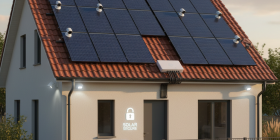
Schedule filtration, laundry, and charging during solar production windows for self‑consumption.
Time‑of‑use
Program batteries for off‑peak charge and on‑peak discharge to flatten bills in dynamic pricing.
Critical circuits
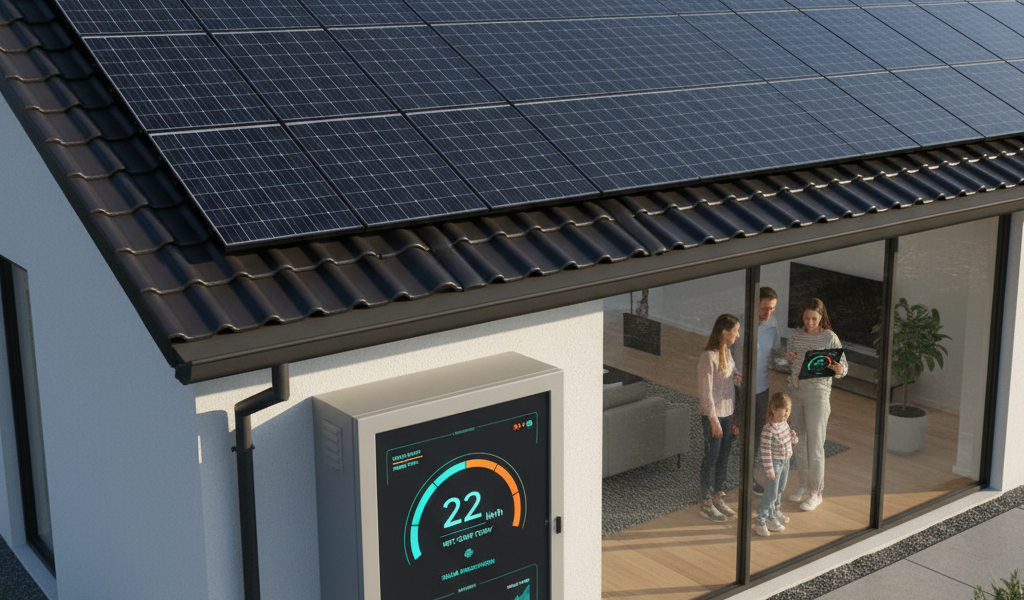
Map essential loads to backup; verify transfer switches and app status for outages.
Monitoring
Use per‑circuit monitoring to spot inefficiencies and adjust schedules proactively.
Network and automation hygiene
- Scenes over scripts: Prefer simple, readable scenes with clear triggers and time windows.
- Avoid loops: Prevent automations that fight each other (e.g., motion vs. manual overrides).
- Labels & docs: Name devices and scenes consistently; keep a quick reference of schedules.
- Review cadence: Quarterly reviews ensure settings match current routines and seasons.
Monitoring dashboard checklist
| Area | What to watch | Action |
|---|---|---|
| HVAC | Runtime and setpoint adherence | Tune schedules; fix rooms with chronic drift |
| Lighting | Overnight draw | Add sensors/timers; adjust scenes |
| Appliances | Standby spikes | Move to smart plugs; schedule off‑hours |
| Water heating | Cycle timing and temp | Lower setpoints; shift to daytime solar |
| Solar/battery | Self‑consumption vs. export | Reschedule loads; tune TOU profiles |
Security and energy crossover
- Presence simulation: Use smart lighting scenes that also remain efficient.
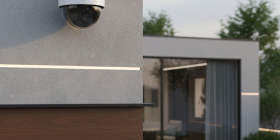
- Camera power: Optimize PoE or smart plugs; avoid 24/7 high‑draw accessories.
- Alerts vs. false triggers: Calibrate motion sensitivity to reduce needless recordings and processing.
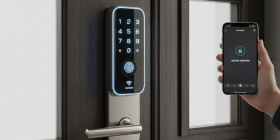
- Outage behavior: Verify backup power for essential security devices; test failover.
CTA
Build your energy‑smart home
Start with thermostat schedules, LED scenes, and smart plugs. Align big loads with solar windows and keep a simple dashboard.
Ad slot: mid-content
Troubleshooting common issues
- Schedules not sticking: Check device time zones and app sync; remove conflicting scenes.
- High overnight draw: Audit lighting and standby plugs; add sensors; enforce away modes.
- Battery not offsetting peaks: Review TOU settings, charge windows, and firmware.
- Automation conflicts: Simplify triggers; use priority rules to avoid loops.
Conclusion
A smart home saves energy when schedules, sensors, and simple scenes work together. Start with HVAC and lighting, manage standby loads, align heavy tasks with solar production, and keep monitoring active. A quarterly review keeps everything efficient without sacrificing comfort or security.
Related posts (card grid)