Ad slot: top
Intro
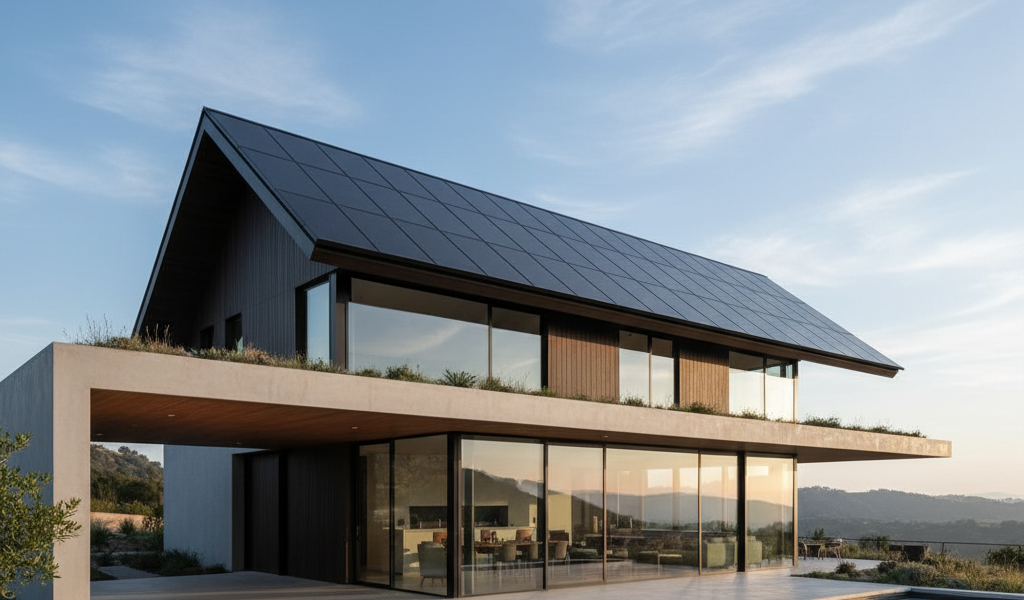
The right solar roof turns your home into a quiet, resilient energy system. This guide compares PV modules vs. solar tiles, inverter types, battery storage, roof fit, shading analysis, permits, warranties, and maintenance. Use the checklists and tables to shortlist systems that truly match your roof, climate, and comfort goals.
PV modules vs. solar roof tiles
| Option | Pros | Considerations | Best fit |
|---|---|---|---|
| PV modules (panels) | High efficiency, mature ecosystem, flexible arrays | Visible racking; roof penetrations; aesthetics depend on design | Max output and cost efficiency |
| Solar roof tiles (building‑integrated) | Integrated aesthetics, fewer visible components | Lower efficiency per area; higher cost; installer specialization | Design‑driven projects with strict aesthetics |
Inverter choices
| Type | How it works | Pros | Considerations |
|---|---|---|---|
| String inverter + optimizers | Central inverter; per‑panel optimizers | Reliable, strong monitoring, cost‑effective | Central point of conversion; design around shade |
| Microinverters | Per‑panel AC conversion | Great shade tolerance; modular scaling | Higher component count; per‑panel maintenance |
| Hybrid inverter | PV + battery integration | Simplifies storage; backup modes | Model compatibility and firmware matter |
Battery storage: when it adds value
Backup power
Keep critical loads running during outages with automatic transfer and safe discharge limits.
Time‑of‑use shifting
Charge off‑peak; discharge on‑peak. Lower bills in dynamic pricing regions.
System resilience
Improve self‑consumption, cover night loads, and stabilize smart home functions.
Considerations
Check warranty cycles, usable capacity, inverter compatibility, and safe installation clearances.
Roof fit and shading analysis
- Orientation & tilt: South‑facing with modest tilt is ideal; flat roofs need ballasted arrays.
- Shading: Model seasonal shade (trees, chimneys); prefer microinverters/optimizers with partial shade.
- Structure: Confirm load capacity and attachment points; use code‑approved mounts and flashing.
- Layout: Avoid roof obstructions; plan arrays around vents and skylights for clean wiring and service access.
Permits, interconnection, and code
- Permits: Obtain building/electrical permits; align with local code requirements and inspections.
- Interconnection: Utility approval for grid tie; net metering or feed‑in policy compliance.
- Fire & access: Keep fire setbacks and clear pathways; label disconnects and service points.
- Documentation: Maintain single‑line diagrams, cut sheets, and commissioning records.
Warranties and service
| Item | Typical coverage | What to verify |
|---|---|---|
| Panels/tiles | Performance (25–30 yrs), product (10–20 yrs) | Degradation rate, product defects, aesthetic claims (tiles) |
| Inverters | 10–15 yrs (extendable) | Replacement process, compatibility with storage |
| Battery | Cycle‑based warranties | Usable capacity, throughput limits, firmware updates |
| Workmanship | 1–10 yrs | Roof penetrations, leak coverage, service response times |
Maintenance and monitoring
- Visual checks: Inspect mounts, wiring, and roof penetrations annually.
- Monitoring: Track production and alerts; investigate sudden drops or inverter warnings.
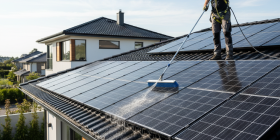
- Cleaning: Light cleaning in dusty regions; avoid abrasive methods; follow manufacturer guidance.
- Firmware: Keep inverters and batteries updated; review changelogs for stability and features.
Decision checklist
Roof & shade fit
Confirm orientation, structural capacity, and seasonal shade before selecting panels or tiles.
Inverter strategy
Choose microinverters for shade complexity; string + optimizers for cost efficiency; hybrid if adding storage.
Storage need
Validate backup priorities and TOU pricing; size battery for critical loads and daily cycling goals.
Service reality
Verify local installer quality, workmanship warranty, and response times for long‑term reliability.
CTA
Shortlist your solar roof system
Match roof fit and shading to the right hardware. Choose inverter and storage for resilience and predictable costs.
Ad slot: mid-content
Troubleshooting common issues
- Unexpected production drops: Check inverter alerts, shading changes, and panel cleanliness.
- Interconnection delays: Confirm paperwork and utility requirements; follow up on inspection status.
- Roof concerns: Inspect penetrations and flashing; contact installer for workmanship coverage.
- Battery instability: Update firmware; review settings; contact support for calibration.
Conclusion
The best solar roof system balances roof fit, shading, inverter choice, and optional storage with strong warranties and local service. Choose hardware that suits your roof and climate, verify documentation and interconnection, and keep monitoring active. You’ll end up with a quiet, resilient setup that lowers bills and powers your home reliably.
Related posts (card grid)